15 Best Cattle Breeds for Small Farms, Homesteads, and Ranches

Updated: June 22, 2026
If you are thinking about starting a cattle herd, you're in the right place. Selecting the right breed of cattle is critical to your operation. And since you'll be investing both time and money into these animals, you'll want to make sure you invest in the right breeds of cattle. In this post, we'll help take some of the guesswork out of choosing the right cattle breed for your operation.
But before choosing from the varied breeds of cows for your farm, remember to develop goals for your farm and have a plan. The more you do your homework and research, check out breed association sites, and talk to neighbors about the breeds of cattle they raise, the better informed you'll be, and by taking the extra steps to gather all the information you can, the better, more informed decision you'll make.

Best Answer - What Are the Best Cattle Breeds for Small Farms?
The best cattle breed depends on your goals. Angus cattle are widely considered one of the best beef breeds due to their excellent meat quality and strong market demand. Holsteins remain the leading dairy breed because of their exceptional milk production. For farms seeking both milk and meat, breeds such as Brown Swiss and Shorthorn offer excellent dual-purpose performance. When choosing cattle, consider your climate, available pasture, feed resources, handling facilities, and whether your primary goal is beef production, dairy production, breeding stock, or a combination of all three.
Key Takeaways
Angus remains one of the most popular beef breeds because of marbling, fertility, and market demand.
Holstein cattle dominate commercial dairy production thanks to high milk yields.
Hereford cattle are known for their docile temperament and adaptability.
Charolais cattle offer rapid growth and excellent feed conversion for beef operations.
Highland cattle thrive in harsh climates and marginal grazing conditions.
Dual-purpose breeds such as Brown Swiss and Shorthorn provide flexibility for small farms.
The best cattle breed depends on your farm goals, climate, available pasture, and management style.
Farm management software can help track breeding, health records, weights, and production metrics across any cattle breed.
How to Choose the Right Cattle Breed for Your Farm
Before purchasing cattle, answer these questions:
What is your primary goal?
Beef production
Dairy production
Breeding stock sales
Grass-fed beef
Homestead milk production
Dual-purpose farming
What is your climate?
Some breeds perform better in hot climates while others excel in colder regions. For example, Highland cattle thrive in colder environments, while Brahman cattle are known for heat tolerance.
How much pasture do you have?
Stocking rates, forage quality, and available acreage may influence which breeds are most practical.
What level of experience do you have?
Docile breeds such as Hereford, Angus, and Shorthorn are often recommended for newer cattle owners.
There are many other operational and financial details to consider and weigh during this process. We suggest taking your time and investing wisely. We've covered the different types of cows, breeds of cows, specific beef cattle breeds, and more. To start you off, let's take a look at some of the top cattle breeds you may want to consider.
Angus Cattle

Angus is among the top beef cattle breeds. This breed was once thought to be a freak without horns (polled breed), but is now a very popular as you may have noticed. They can be either black or red angus.
The basics: Mature bulls weigh about 1,800 lbs, and a cow weighs about 1,200 lbs. They are solid black or red in color, sometimes with a small amount of white behind the navel scar. They are a good, solid choice among beef cattle breeds for beef production.
Pros: Angus are moderately sized, muscular animals, well known for meat production. They are widely crossbred to improve beef and milk quality. Their meat is prized in the beef market because of its marbling. They have white fat and bright-red lean meat.
Cons: The Angus cattle breed has varied temperaments. They do not like heat and will need some shade. But they have longevity, are adaptable, fertile, are readily available, and often get a high value at the sale barn.
Read more from the Angus Association
Holstein Friesian

Holstein Friesian cattle, commonly referred to as Holsteins in North America, are the world's most widely recognized dairy breed.
The basics: A mature bull weighs about 2,500 lbs and a mature cow about 1,300 lbs. They are easily recognized by their distinctive coloring of black and white or red and white.
Pros: They are known for their amazing output of milk, butter, and large yields of beef. They are an affordable cow that you might easily find stock for in your area. They mature early and are easy to milk. Typical calves weigh about 90 pounds at birth. Holstein Friesian (Holstein) typically have about a 6-year productive lifespan. On average, Holsteins produce about 17,000 lbs of milk, 600 lbs of butterfat, and 550 lbs of protein per year.
Cons: This cow can be high maintenance. So we advise doing more research on this breed. It's been known to take more feed to meet their nutritional needs due to their high output of milk.
Read more from the Holstein Association
Hereford

The Hereford cow is a friendly and easygoing breed among other breeds of cattle. They are known for their beef.
The basics: Hereford cows have white faces and an easy-going disposition, which makes them easy to care for and almost like pets. A mature bull can weigh about 1,800 lbs, and a mature cow weighs about 1,200 lbs.
Pros: Herefords do well in a wide range of pastures, conditions, and feed. This breed of cattle is typically easy to breed, grows fast, with high fertility rates, and is relatively docile. Herefords can produce top-quality beef with high yields, good marbling, and fat. They are very hardy and have good heat and cold tolerance.
Cons: This breed may need a little sun protection at times because of its coloring. They are sometimes hard to come by and not cheap, but a great option if you can find them.
Read more from the Hereford Association
Brown Swiss

The Brown Swiss is known more for their milk production than beef. They make excellent butter and are very hardy and docile. They are big and live a long time.
The basics: A mature bull weighs about 2,000 lbs, and a mature cow weighs about 1,300-1,400 lbs. Brown Swiss are sought after by milk producers for their high-quality milk with high protein and butter fat. Their milk is prized by cheesemakers because of its volume of milk and protein. Brown Swiss have some of the best fat-to-protein ratios of any of the dairy breeds for most cheese production.
Pros: Brown Swiss are strong, solid breeders, robust, adaptable, and live a long time. They are a good choice for both meat and dairy farms and provide good yields of both.
Cons: They do take longer to mature. Make sure that you are getting them from a good source and that they are not a freemartin.
Read more from the Brown Swiss Association
Charolais

The Charolais (Char-Lay) is a French breed that is a great beef producer. They are adaptable to most climates and have rapid growth, lean, tender meat, but they do sometimes have calving issues, and are a bit more high-maintenance.
The basics: They are typically white with a pink muzzle. They are medium to large-framed beef cattle with a broad body. Mature bulls weigh 2,000-2,500 lbs, and a mature cow weighs 1,250-1,600 lbs.
Pros: Charolais are good milkers. They are typically quick to mature and an efficient feedlot breed with a high feed conversion rate. Charolais are easy to calve and are adaptable to various feed types.
Cons: They can be aggressive or unpredictable, so find a reputable breeder.
Read more from the Charolais Association
Galloway

The Galloway or Belted Galloway is primarily a beef cow but has also been known to be milked and used for their hides.
The basics: Galloway cattle are commonly black, but can be found with red coloring. They are a medium to large cattle breed that is best known for meat production, as they are poor milkers. The bulls have an average weight of about 770 lbs, and cows weigh in at about 450 lbs.
Pros: They are a little smaller than some other breeds, so better if you have less space. They are adaptable to all types of climates and are naturally hornless. They are weed eaters, have an easy time calving, can calve until age 15 or 20, produce lean/low-fat meat, and have rich butter.
Cons: This breed of cattle has been known to have a unique hatred of dogs, heat stress can become a problem in some climates, and they are slow to grow.
Read more from the Galloway Association
Simmental

The Simmental is an easygoing beef or dairy cow. It has a large frame and can almost be pet-like if raised that way.
The basics: Simmental cattle are bred all over the world for their high beef production. Cows can weigh around 1,700 lbs, and bulls about 2,800 lbs.
Pros: They are quick to mature, easy to handle, and have very good feed conversion rates. Very adaptable and not easily stressed, they are a great breed for beef production. They are heavy, well-muscled animals and produce solid red meat with a minimum of waste fat. They can live relatively long, have a high fertility rate, are easy to calve, and allow for short periods between calving, and the cows make excellent mothers.
Cons: It can be expensive to buy your stock, they sometimes have trouble calving due to their size, and are prone to mastitis. So, it's recommended to purchase from reputable breeders.
Read more from the Simmental Association
Milking Shorthorn

Milking or Dairy Shorthorns are known for their body structure and ease of calving. They have been bred in Great Britain since Roman times. It is an excellent choice for beef crossbreeding and cheesemaking.
The basics: They mature early, are capable of living long, productive lives, and are efficient feed to milk converters. A mature bull weighs 1,800-1,400 lbs, and a mature cow about 1,200-1,400 lbs. Their coats can be white, red, or a blend of red and white. They have easy calving and produce large quantities of milk.
Pros: They are a versatile breed and have a calm disposition. Unlike other dairy cattle breeds, Shorthorns started as a dual-purpose breed for both milk and meat. Milk production averages 3.8% fat and 3.5% protein.
Cons: They can have some genetic issues, so buy from a reputable breeder.
Read more from the Milking Shorthorn Association
Scottish Highland

Small, hairy, and horned, what's not to love. This breed has been raised in North America mostly for novelty, although it has a lot to offer. Their ability to produce top-quality meat without the need for extra inputs and feed makes them a great cattle breed choice for those looking to produce high-quality beef with only natural inputs.
The basics: Besides being adorable, Highland cattle can be used for milk on a small scale; they produce about 2 gallons per day per cow. They are primarily a beef cattle breed that produces lean meat that is well-marbled and normally rated as premium beef. Mature Highland bulls can weigh around 1,800 lbs, and cows about 1,100 lbs.
Pros: Highland cattle are typically very docile, low-stress, and easy to keep and manage. It has lean meat and functions as a low-input animal. It has good dairy quality as well for both cheese and butter, and is well-suited for cold climates.
They can thrive in extreme climates and pasture conditions where other breeds may fail. They are an exceptionally hardy cattle breed that can convert poor grazing areas efficiently because they are natural foragers. They calve easily and produce calves between 50-75 lbs.
Cons: They tend to have a strong dislike of confinement, they have horns, poor heat tolerance, and other issues that come with long-haired animals.
Read more from the Scottish Highland Association
Ayrshire

This breed is the current record holder for milk production. Their milk is the Goldilocks of rightness; not too rich and not too light. This is one of the larger breeds of cows. If you've got the space for it. They are strong, rugged, and good at calving.
The basics: Ayrshires are red and white in color. They have horns that can grow to more than a foot long, but most Ayrshires are dehorned as calves. Ayrshires are medium-sized cattle that can weigh over 1,200 lbs when mature. They are strong and adaptable cattle that work well for various dairy setups and milking parlors.
Pros: Ayrshire cattle are excellent foragers and can thrive in harsh feeding or climatic conditions. They are a great dairy cattle breed for varied climates and conditions and make for outstanding commercial dairy cattle. Ayrshire calves are strong and easy to raise. and are excellent milk producers.
Cons: They can have strong personalities and produce a moderate butterfat in their milk.
Read more from the Ayrshire Association
Gelbvieh

The Gelbviegh is a medium to large-sized breed that was bred for a dual-purpose cattle originally in Germany.
The basics: They were originally bred for both milk and beef production and have exceptional udders and milking ability. They are a medium to large-sized cattle breed with above-average muscling, typically with reddish gold or black coloring.
Pros: This is a very adaptable breed that can be well suited for arid climates with good heat tolerance. They are medium to large in size, docile, fertile, and have a generally quiet demeanor. They produce high-quality meat cuts and are reputed to have the largest ribeye-muscle area of all breeds. They also produce high-weaning weights
Cons: Gelbvieh takes a bit longer to mature. Some research has shown that animals with a lower ADG tend to be more aggressive at the head gate.
Read more from the Gelbvieh Association
American Brahman

As you can see this breed is a little different and has a distinct appearance. The Brahman originated in India and has adapted to thrive in that environment. American breeders have brought those adaptations to their herds. They have long ears, tough hides, loose skin and a hump on their back. They are very able to adapt to hot, humid climates. Their coat is usually gray or red but can have variations.
The basics: Due to their loose skin, abundant sweat glands and short thick coat that reflects sunlight, Brahmans are able to thrive in hot temperatures and arid climates. They are very intelligent, curious, good mothers and are long lived, docile animals. A mature bull can weigh in at an average 2,460 lbs and a mature cow can be around 1,400 lbs.
Pros: Brahman cattle are excellent foragers and can thrive in arid conditions or poor or low quality feed. They are a great dairy cattle breed and have a high milk production. They are also very adapted to parasite resistance.
Cons: Because of their short coats they are not the best for cold weather climates.
Read more from the American Brahman Breeders Association or The Cattle Site: Brahman cattle
Texas Longhorn

This breed is know for their adaptability, disease resistance, and yes, long horns.
The basics: The Longhorn is a medium sized breed with bulls weighing an average of 1,800 lbs, steers weighing an average of 1,900 lbs and a cow averaging about 1,000 lbs. They vary in color and markings and can be speckled, brindled and solid colors. They are know to be adaptable in many different types of weather and environments.
Pros: They have general ease of calving and high fertility rates. This breed is generally resistant to common cattle diseases and parasites.
Cons: They've got big horns. The horns can be a safety risk if working in close quarters or if they feel threatened. Their meat can be on the leaner side (which may be a pro if you're looking for that) and may take longer to reach market weight. They are also not known for their milk production.
Brangus

The Brangus breed is a hybrid of two breeds we've already mentioned, the Angus and the Brahman. They can be black, red, polled and can have a sleek coat and the bulls have a smaller hump. Bulls can be an average of 1,900 lbs and cows average 1,200 lbs.
The basics: This is a relatively gentle and docile breed that has longevity in breeding. Although they reach maturity a little later at around 18 months they are long lived and great mothers and can breed till about 14 years. And they often have rapid weight gain.
Pros: They produce a high quality meat, the are adaptable to both hot and cold climates, are good foragers and resistant to ticks.
Cons: Slightly later maturity age, less fatty meat.
You can find more here The International Brangus Breeders Association
Guernsey
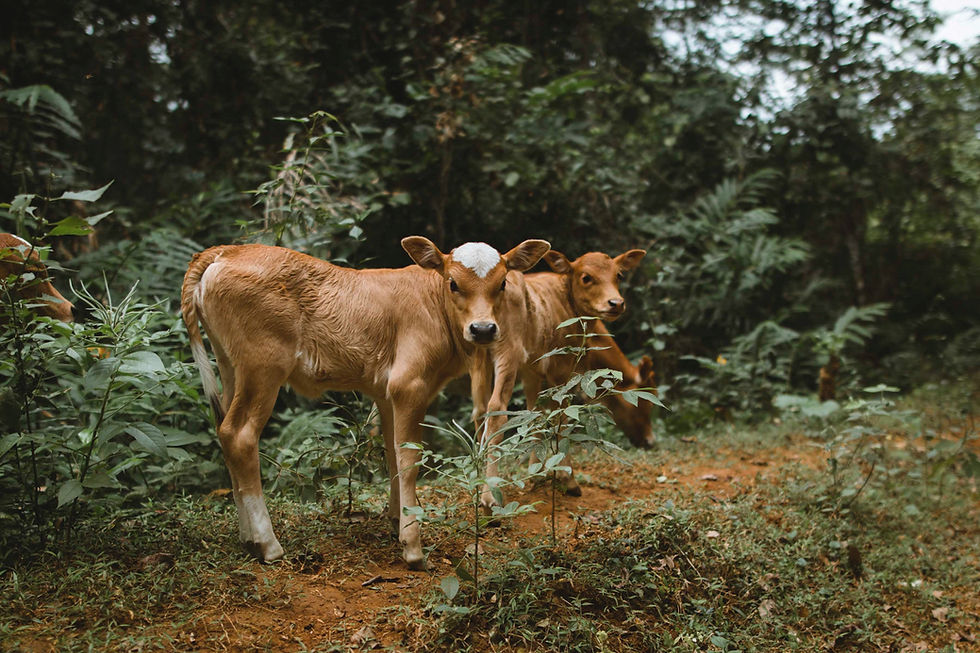
The Guernsey cattle breed is known for the golden color of their milk as well we the high butterfat and protein content. They are of moderate size, averaging about 1,200 lbs
The basics: They have a gentle temperament making them easy to manage. They will even "babysit" for other cows. They have relative calving ease and are adaptable to grazing. Their breed originated in the channel islands. They are fawn and white in color typically.
Pros: Th unique color and quality of their milk makes them an excellent choice for specialty dairies. They are gentle and have easy births.
Cons: They can be protective of their calves. Potentially there is a smaller breeding pool of bulls for this breed. The color of their milk may make for a smaller customer base.
You can find more information about this breed at The American Guernsey Association
Compare the Top 15 Cattle Breeds
Breed | Primary Use | Temperament | Climate Adaptability | Best For |
Angus | Beef | Calm | Excellent | Premium beef production |
Holstein Friesian | Dairy | Moderate | Good | Maximum milk production |
Hereford | Beef | Docile | Excellent | Beginner-friendly beef operations |
Brown Swiss | Dual Purpose | Calm | Excellent | Milk and beef production |
Charolais | Beef | Moderate | Good | Rapid growth and feed efficiency |
Galloway | Beef | Calm | Excellent in cold climates | Grass-fed and low-input systems |
Simmental | Beef / Dual Purpose | Calm | Good | Growth and maternal performance |
Milking Shorthorn | Dual Purpose | Docile | Good | Small farms and family operations |
Scottish Highland | Beef | Calm | Excellent in cold climates | Homesteads and rough grazing |
Ayrshire | Dairy | Moderate | Excellent | Grazing dairies |
Gelbvieh | Beef | Calm | Very Good | Maternal traits and weight gain |
American Brahman | Beef | Moderate | Excellent in heat | Southern and tropical climates |
Texas Longhorn | Beef | Calm | Excellent | Low-input ranching |
Brangus | Beef | Moderate | Excellent in heat | Beef production in warm climates |
Guernsey | Dairy | Gentle | Good | Rich milk and family milk cows |
Best Cattle Breeds by Farming Goal
Farming Goal | Recommended Breeds |
Premium Beef Production | Angus, Charolais, Simmental |
Grass-Fed Beef | Galloway, Highland, Hereford |
High Milk Production | Holstein Friesian |
Rich Milk for Butter and Cheese | Guernsey, Brown Swiss |
Dual-Purpose Farming | Brown Swiss, Milking Shorthorn |
Small Homestead Herds | Highland, Guernsey, Milking Shorthorn |
Hot Climate Operations | Brahman, Brangus, Longhorn |
Cold Climate Operations | Highland, Galloway, Hereford |
Beginner Cattle Owners | Hereford, Angus, Milking Shorthorn |
Wrapping It All Up
There are many things to take into consideration before purchasing your herd. Which type you choose comes down to your priorities, budget, space, climate, and management availability. It is highly recommended to speak with a few different breeders and take a look at the different associations for the cattle you're interested in before you purchase. Maybe a hybrid is what you're looking for.
We wish you the best in your endeavor! Below are more resources for you to take a look at during your research. And as always, Happy Farming!
We hope that you start your cattle operation off right and use a cattle management software like Farmbrite. We can help with all your tracking needs, like inventory and equipment, genealogy, cattle health and tracking, accounting and financials, sales, and more.
Cattle Resources
As you can see, there are many other breeds of cattle that are suited for beef or dairy operations, so be sure to do your research to find the best breed that will work for your goals.
Check out these links to learn more.
Frequently Asked Questions (FAQs)
What is the best cattle breed for a small farm?
Scottish Highland, Milking Shorthorn, and Guernsey cattle are often excellent choices for small farms because they are manageable, versatile, and adaptable.
Which cattle breed produces the most milk?
Holstein cattle are widely recognized as the highest-producing dairy breed and are the dominant breed in commercial dairy operations.
What is the best beef cattle breed?
Angus is often considered one of the best beef breeds due to its marbling, meat quality, and consumer demand.
What cattle breed is best for hot climates?
American Brahman, Brangus, and Texas Longhorn cattle are known for their ability to tolerate heat, insects, and drought conditions.
What cattle breed is best for cold climates?
Scottish Highland and Galloway cattle are exceptionally hardy and well suited to colder environments.
What is the best dual-purpose cattle breed?
Brown Swiss and Milking Shorthorn cattle are among the most popular dual-purpose breeds because they provide both milk and beef production.


