Best Sheep Breeds for Meat and Wool: How to Choose the Right Breed for Your Farm

Updated: Aug 10
Originally Published: January 31, 2023 | Updated: June 25, 2026


Best Answer - Best Sheep Breeds for Meat and Wool Production
The best sheep breeds for meat and wool production include Merino, Suffolk, Hampshire, Columbia, Dorset, Rambouillet, Rideau Arcott, Corriedale, Polypay, and Targhee. Merino excels in fine wool, Suffolk in meat production, while Columbia, Dorset, and Rambouillet offer an excellent balance of meat, wool, and hardiness. The right breed depends on your climate, available pasture, management style, and production goals.
Key Takeaways
Choose breeds based on your primary goal: meat, wool, or dual-purpose.
Merino remains the benchmark for premium wool.
Suffolk and Hampshire are excellent meat breeds.
Dorset and Corriedale are ideal for beginners and small farms.
Dual-purpose breeds provide flexibility as markets change.
Record keeping improves breeding, health, and profitability.
How to Choose the Best Sheep Breed for Your Farm
Selecting the right sheep breed is one of the most important decisions a producer can make. Different breeds vary in growth rate, fleece quality, temperament, maternal ability, climate adaptability, and overall profitability. This guide compares the most popular breeds while helping you determine which is the best fit for your farm.
Define your production goals
Decide whether your primary focus is meat, wool, breeding stock, or a combination.
Consider your climate
Some breeds excel in cold mountain environments while others tolerate heat and humidity.
Evaluate your pasture
Breed size and nutritional needs should match your forage resources.
Think long-term
Choose breeds that fit your labor availability, shearing plans, and local markets.
Sheep Breed Comparison
Choosing the right sheep breed is one of the biggest factors in how successful (and enjoyable) your flock will be, whether your goal is meat production, high-quality wool, hardy pasture performance, or a balanced dual-purpose animal that can do it all. In this guide, we’ll walk through the most common and reliable sheep breeds for meat and wool, highlighting what each breed is best known for, the climates and management styles they tend to thrive in, and the practical tradeoffs to consider before you buy your first lambs or expand your existing flock.
Breed | Best For | Meat | Wool | Beginner | Climate | Overall |
Merino | Fine wool | ★★★ | ★★★★★ | ★★★ | ★★★★★ | Wool specialist |
Suffolk | Meat | ★★★★★ | ★★ | ★★★★ | ★★★★ | Commercial lambs |
Hampshire | Meat | ★★★★★ | ★★★ | ★★★★ | ★★★★ | Fast growth |
Dorset | Dual-purpose | ★★★★ | ★★★★ | ★★★★★ | ★★★★★ | Small farms |
Columbia | Dual-purpose | ★★★★ | ★★★★ | ★★★★★ | ★★★★★ | Commercial flocks |
Rambouillet | Dual-purpose | ★★★★ | ★★★★★ | ★★★★ | ★★★★★ | Hardy |
Corriedale | Dual-purpose | ★★★★ | ★★★★ | ★★★★★ | ★★★★ | Homesteads |
Polypay | Productivity | ★★★★ | ★★★ | ★★★★★ | ★★★★★ | High lambing |
Rideau Arcott | Lamb production | ★★★★ | ★★★ | ★★★★ | ★★★ | Maternal |
Targhee | Range flocks | ★★★★ | ★★★★ | ★★★★ | ★★★★★ | Western grazing |
Best Sheep Breeds by Farming Goal
Best for Wool: Merino and Rambouillet
Produce premium fleece and continue to exceed industry standards.
Best for Meat: Suffolk and Hampshire
They are recognized for rapid growth and carcass quality
Best Dual-Purpose: Columbia, Dorset, Rambouillet, and Corriedale
These breeds balance wool and meat production
Best for Beginners: Dorset, Corriedale, and Polypay
These breeds are hardy, productive, and easy to manage
Best for Small Farms: Dorset and Corriedale
These breeds fit diversified farms and homesteads
Best for Cold Climates: Rambouillet, Columbia, and Targhee
These breeds excel in harsh winters
Best for Hot Climates: Consider Merino, and if wool is not required, Katahdin and Dorper
Complete Breed Profiles:
As we’ve discussed, sheep can serve different purposes, so it’s important to understand what each breed offers. Below, we’ll take a closer look at each breed, including its key benefits and what to consider.
Merino Sheep
When it comes to their wool, there is no comparison. Merino wool is the finest, softest wool in the world. This means it is less likely to itch when used in clothing, making it highly desired in the fashion industry. They are probably best known for their wool and might be the best sheep for wool.

Best For: Premium wool production
Strengths
Produces some of the world's finest wool
Highly adaptable to dry climates
Excellent fleece quality and value
Hardy and long-lived
Ideal Climate
Dry, temperate, and semi-arid climates
Temperament
Alert and active
Generally easy to manage with consistent handling.
Production Characteristics
Fine wool (17–24 microns)
Moderate meat production
Medium mature size
Annual fleece of approximately 8–18 pounds, depending on bloodline and management
Best Farm Types
Wool producers
Fiber farms
Western range operations
Farms supplying hand spinners or premium textile markets
Farmbrite Tip for Fiber
Track fleece weights, fiber quality, breeding lines, and shearing schedules to identify your highest-performing animals over time.
Merino Sheep History
The Merino sheep breed is the cream of the crop when it comes to wool production. It is estimated that this fine-wooled breed makes up more than 50 percent of the world’s sheep population!
The Merino breed originated in Spain during the Middle Ages. In fact, they were a staple of Spain’s wealth during this time — it was even a capital offense to export one of these treasured animals.
When Napoleon invaded Spain, the world gained access to the Merino and its high-quality fleece.
The first Merinos were imported to the United States in 1802. The breed was further developed in Australia.
The Merino is a medium-sized sheep. Ewes weigh between 125 and 180 pounds, while rams weigh between 175 and 235 pounds. You’ll also notice that rams have long, spiral horns that wrap around the sides of their faces.
This breed is known for its longevity and hardiness, as well as its strong flocking instinct. They will also breed out-of-season.
While they are most known for their wool, the Merino is being increasingly used for meat. There is currently a movement among breeders to make them a dual-purpose breed.
Suffolk Sheep
Suffolk sheep are one of the most popular meat breeds, known for fast growth, strong muscling, and producing market-ready lambs efficiently. With their distinctive black faces and legs and calm, hardy nature, Suffolks perform well in a wide range of climates and management styles. They’re a great choice for farmers who want consistent carcass quality and reliable lamb performance, whether in purebred flocks or as terminal sires in crossbreeding programs.

Best For: Commercial meat production
Strengths
Rapid growth rate
Excellent feed conversion
High-quality carcasses
Widely recognized commercial meat breed
Ideal Climate
Temperate regions
Quality pasture and adequate nutrition
Temperament
Active, confident
Generally easy to handle with regular interaction
Production Characteristics
Fast-growing lambs
Excellent muscling
Medium-quality wool
Large mature size
Best Farm Types
Commercial lamb producers
Meat-focused farms
Diversified livestock operations
Farmbrite Tip for Meat Sheep
Monitor average daily gain, finishing weights, and feed costs to optimize profitability.
Suffolk Sheep History
The Suffolk sheep breed is an English breed known to be a big, hardy animal. Developed in England during the early 19th century, this meat and wool breed has become quite popular with farmers who need a large-bodied animal that can thrive on poor-quality pasture. So, if you're looking for sheep who can add to your soil quality and the sustainability that sheep farming brings to pastures, look no further.
They were created by crossing Norfolk Horn ewes with Southdown rams. This fairly new sheep was imported into the United States in the late 19th century, but they really gained popularity following the Second World War.
Today, they can be found in all of the world’s top wool-producing countries. In the United States, they are the most popular purebred sheep that is raised for wool and meat.
The Suffolk is typically white with a black head and legs that are open, or free of wool.
They are a large, meaty breed that is ideal for meat production. Suffolk lambs are fast-growing and yield high-quality, heavy carcasses. This makes them one of the top meat-producing sheep.
In general, Suffolk's size and weight range from 120 to 150 pounds for rams and 100 to 130 pounds for ewes; however, some individuals may weigh as much as 200 pounds.
Hampshire Sheep
Hampshire sheep are a classic meat breed prized for their rapid growth, heavy muscling, and consistently high-quality lamb. Recognizable by their black faces and legs and strong, sturdy build, Hampshires are hardy and adaptable in a range of climates. They’re especially valued as terminal sires in crossbreeding programs, helping produce fast-finishing market lambs with excellent carcass traits.

Best For: Fast-growing market lambs
Strengths
Excellent muscling
Strong growth rates
Good maternal ability
Produces desirable carcasses
Ideal Climate
Adaptable to temperate and cooler climates with productive pasture.
Temperament
Generally calm and easy to manage.
Production Characteristics
Heavy market lambs
Medium wool
Strong feed efficiency
Large-framed breed
Best Farm Types
Commercial meat operations
Mixed livestock farms
Farms focused on market lamb production
Farmbrite Tip for Genetic Improvement
Track lamb growth rates by sire to improve genetic selection over successive generations.
Hampshire Breed History
The Hampshire is a medium-sized breed of sheep that originated in the south of England in the 19th century.
It was developed by crossing Southdown sheep, Wiltshire Horns, and Berkshire Knots, among other breeds.
It is a dual-purpose sheep, meaning it can be used for meat and wool production. The Hampshire has been crossbred with other breeds to develop new strains, such as the Suffolk.
Hampshire sheep are popular in their native United Kingdom but have also been introduced to many other countries, including Australia, New Zealand, and the United States.
Ewes generally weigh between 175 and 220 pounds, and rams weigh between 220 and 310 pounds.
They are a large breed that is white with black faces and legs. Their faces and legs are closed, which means they have wool covering them.
This sheep breed is an exceptional dual-purpose sheep breed because of their fast rate of growth and superior carcass quality. They are often used to sire crossbred market lambs.
When it comes to their wool, they are beloved for their downy and medium-wool fleeces.
Columbia Sheep
Columbia sheep are a dependable dual-purpose breed valued for their large frame, calm temperament, and consistent production of both meat and wool. Developed in the western United States for range conditions, Columbias are hardy, easy-keeping animals that do well on pasture and in varied climates. They’re especially known for producing a heavy, medium-wool fleece and raising strong, fast-growing lambs. This makes them a solid choice for farmers who want a versatile, low-drama breed for a productive flock.

Best For: Balanced meat and wool production
Strengths
Excellent dual-purpose performance
Hardy and adaptable
Large body size
Good fleece production
Ideal Climate
Excels in cooler climates and western grazing environments but adapts well across much of North America.
Temperament
Docile and easy to handle.
Production Characteristics
Medium-fine wool
Good carcass quality
Strong maternal performance
Large mature size
Best Farm Types
Commercial range operations
Diversified farms
Dual-purpose producers
Farmbrite Tip for Breeding
Use breeding records to identify ewes with the best combination of fleece quality and lamb performance.
Columbia Sheep History
The Columbia sheep is an American classic. In fact, it is the first breed to have originated in the United States.
It was developed specifically for meat and wool production in 1912 by crossing Rambouillet and Lincoln sheep. The goal of its original breeders was to create a sheep that would produce more wool and meat and replace the need for crossbreeding on ranches.
The Columbia was originally bred for the harsh environment of the Western United States, but today it is raised all across North America. It is also increasingly being used as a sire for crossbred market lambs.
The Columbia has a large-sized body, with rams weighing between 225 and 300 pounds and ewes weighing between 150 and 225 pounds.
The wool on this breed is not as fine or soft as some other breeds, but it is able to be harvested and used as a heavy, medium-wool fleece with a good staple length. They produce hardy, fast-growing lambs that do well in range-like conditions.
Dorset Sheep
Dorset sheep are a versatile, easy-to-manage breed best known for their strong maternal instincts, reliable lambing, and excellent meat quality. They’re hardy and adaptable in a wide range of climates, and they tend to thrive in both pasture-based and more intensive systems. With good growth rates and a calm temperament, Dorsets are a solid choice for farmers who want dependable lamb crops and consistent performance year after year. There are two types: both horned and polled varieties are available.

Best For: All-around productivity
Strengths
Can breed out of season
Excellent maternal instincts
Adaptable to many climates
Reliable dual-purpose production
Ideal Climate
Highly adaptable across nearly all North American climates.
Temperament
Calm, gentle, and well-suited to beginners.
Production Characteristics
Reliable lambing
Good meat quality
Medium wool
Medium-large body size
Best Farm Types
Small farms
Family farms
Homesteads
Commercial operations
Farmbrite Tip for Sheep Breeding
Track breeding dates and lambing intervals to take advantage of the Dorset's ability to produce lambs outside the traditional breeding season.
Dorset Horn Sheep History
Dorset Horns are a small breed of sheep named for Dorset County in southwest England, where they've been bred since the 17th century.
Dorsets are a dual-purpose breed used for both wool and meat; they're a good fit for beginners and small farms.
The Dorset Horn has many positive traits: it's docile, easy to handle, and provides plenty of milk, making it an ideal choice for first-time farmers who want to keep their animals close by.
The main reason for their popularity is their ability to breed out of season, much like the Merino. In fact, it is believed that the Dorset originated from crossing Merinos with the Horned Sheep of Wales several centuries ago.
The Dorset breed was originally imported to the United States in the late 19th century. In 1948, the Polled Dorset was bred into existence. Today, there are both horned and polled varieties available.
One downside is that this breed isn't great at growing fat—which means your final product will be leaner than other breeds (though still tasty).
The Dorset Horn is also a good choice for small farms. Like the Soay, this breed is small and can be raised on limited acreage. In fact, they're often kept indoors during inclement weather because they don't have heavy coats like other breeds.
Dorset ewes tend to be prolific and will produce a lot of milk. Their lambs grow moderately fast and will finish with a heavily muscled carcass that is ideal for meat production.
Their medium-wool fleece rounds them out as a fantastic all-purpose sheep that is great for small farms and big ones alike.
Rideau Arcott
Rideau Arcott sheep are a Canadian-developed breed best known for their exceptional fertility and strong maternal performance, making them a favorite for producers focused on maximizing lamb crop size.
They are medium-sized, generally calm and easy to handle, and they adapt well to a range of climates and management systems. While they can produce a usable fleece, Rideau Arcotts are primarily valued for efficient, consistent lamb production and are often used in crossbreeding programs to boost reproductive performance.

Best For: High reproductive performance
Strengths
Exceptional fertility
High lambing percentages
Strong maternal instincts
Efficient lamb production
Ideal Climate
Temperate climates with good forage availability.
Temperament
Calm and productive.
Production Characteristics
Outstanding reproductive efficiency
Moderate wool production
Excellent mothering ability
Best Farm Types
Intensive lamb production
Commercial breeding flocks
Farms emphasizing reproductive performance
Farmbrite Tip for Sheep Genetics
Detailed lambing records are especially valuable for maximizing the genetic potential of prolific breeds like Rideau Arcott.
Rideau Arcott Sheep History
Rideau Arcott sheep are a small, dual-purpose breed that excels at producing both high-quality wool and meat. "Arcott" is actually an old word for "to eat.”
The Rideau is one of three Canadian sheep breeds that exist. It was developed at Agriculture Canada’s Animal Research Centre in Ottawa in 1968. Suffolk, Shropshire, Dorset, Finnsheep, and East Friesian sheep were all crossed to make the Rideau.
During the breed development process, emphasis was put on fertility, year-round lambing, and retail cut yield.
Since its release to the public in 1989, the Rideau has quickly grown in popularity. They are ideal for use in commercial flocks to improve maternal traits. More often than not, ewes will carry triplets or twins.
The Rideau Arcott's smaller size makes them easy to handle. They are also quite hardy, making them a good choice for novices.
Rideau Arcott sheep are also slower to mature than other meat breeds, and as such tend to be more expensive to keep. However, for those who want a small flock of sheep that can provide both wool and meat, the Rideau Arcott is an excellent choice.
Rambouillet Sheep
Rambouillet sheep are a hardy, long‑wool breed best known for producing high-quality fine wool while also offering solid meat value in a dual-purpose flock. Originally developed from Merino lines and widely used across the western U.S., Rambouillets thrive in range and pasture-based systems thanks to their strong foraging ability, durability, and adaptability to varied climates. They’re a great option for farmers who want a resilient breed with dependable lambs and a consistently valuable fleece.
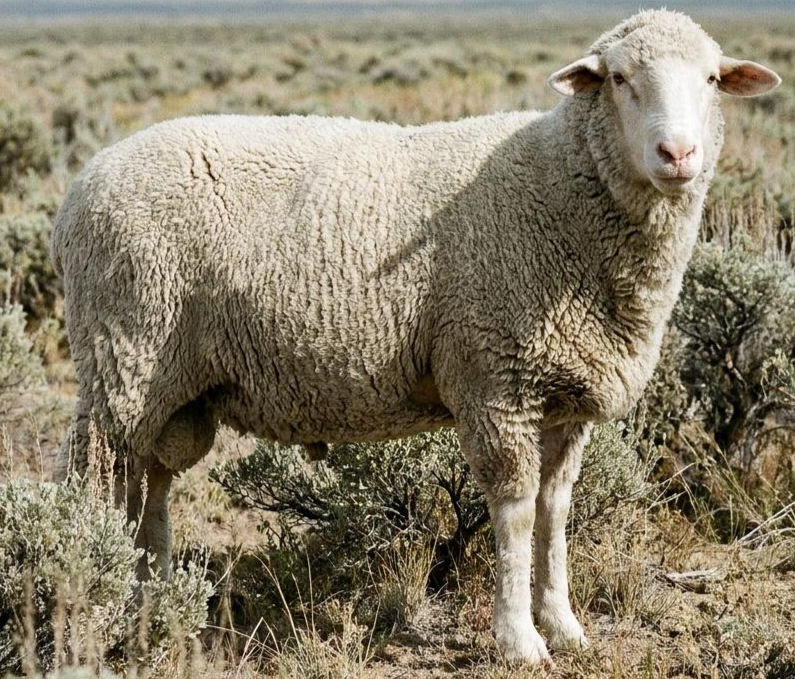
Best For: Premium dual-purpose production
Strengths
Excellent fine wool
Hardy and resilient
Strong range performance
Long productive lifespan
Ideal Climate
Cold, dry, and mountainous environments.
Temperament
Docile and easy to work with.
Production Characteristics
Fine wool
Good meat production
Excellent hardiness
Medium-large size
Best Farm Types
Western ranches
Range operations
Wool producers
Dual-purpose farms
Farmbrite Tip for Wool Production
Monitor fleece weights and breeding records together to identify animals that excel in both wool and meat production.
Rambouillet Sheep History
The Rambouillet is the U.S. version of the Merino sheep. Although Merinos are still raised in the United States, it is much more common to see flocks of Rambouillets, especially in the Western states.
The Rambouillet was developed from the original Spanish Merino, and as such, they have very similar wool. They also have their differences, though — the Rambouillet is larger than the Merino, and is more of a dual-purpose sheep.
The Rambouillet was created when Louis XVI of France imported 386 Spanish Merinos to his estate in Rambouillet in the late 18th century.
Although the breed originated in France, it owes a lot of its development to the United States and Germany.
Today, the Rambouillet is considered the most important commercial breed of sheep in the U.S. It has been used to develop several popular crosses, including the Columbia and the Polypay.
It is able to thrive in many different production environments. Occasionally, it is crossed with the Merino to improve wool quality.
The Rambouillet is a dual-purpose breed of sheep. It produces a high-quality carcass and fine wool.
This breed is large in size, hardy, and has strong flocking instincts. Ewes have strong maternal instincts that have made them popular in crossbreeding programs designed to improve lamb production.
Polypay Sheep
Polypay sheep are a highly productive American breed best known for their strong maternal traits and consistently high lambing rates. Developed to perform well in a variety of climates and management systems, Polypays are hardy, efficient foragers that do well on pasture and are generally easy to handle. They’re a great choice for producers who want dependable ewes that raise vigorous lambs, with the added benefit of a medium-grade fleece that provides extra value alongside meat production.

Best For: Productivity
Strengths
Excellent fertility
High lambing rates
Efficient feed conversion
Adaptable
Ideal Climate
Thrives in a wide variety of climates.
Temperament
Docile and easy to handle.
Production Characteristics
Exceptional reproductive performance
Moderate wool
Good meat production
Best Farm Types
Commercial producers
Small farms
Intensive breeding operations
Farmbrite Tip for Productivity
Track lifetime productivity for each ewe to identify your highest-performing breeding stock.
Polypay Sheep History
The Polypay sheep is a medium-sized synthetic breed that was developed in the United States in the 1970s. They were originally created with foraging, hardiness, and longevity in mind.
They were developed at the U.S. Sheep Experiment Station in Dubois, Idaho, and on a farm in Sonoma, California. Targhee x Dorset crosses were bred with Rambouillet x Finnsheep crosses.
The resulting Polypay was able to produce two lamb crops and one wool crop per year. Their prolific tendencies, good mothering instincts, and extended breeding season helped to launch them into popularity across North America.
Polypay lambs tend to have moderately fast growth and good carcass quality. Their medium-wool fleece makes them a solid dual-purpose breed of sheep.
This breed produces meat that is well-marbled with fat, while also providing large amounts of high-quality wool used in textiles. These sheep have a high resistance to disease due to their ability to spread out over larger areas than other breeds do.
Corriedale Sheep
Corriedale sheep are a classic dual-purpose breed valued for their balance of quality wool and solid meat production. Known for their calm temperament and strong grazing ability, Corriedales are hardy, adaptable sheep that perform well in pasture-based systems and a range of climates. They produce a dense, medium-fine fleece that’s popular with handspinners, while also raising sturdy lambs, making them a great option for farmers who want a reliable, all-around breed.
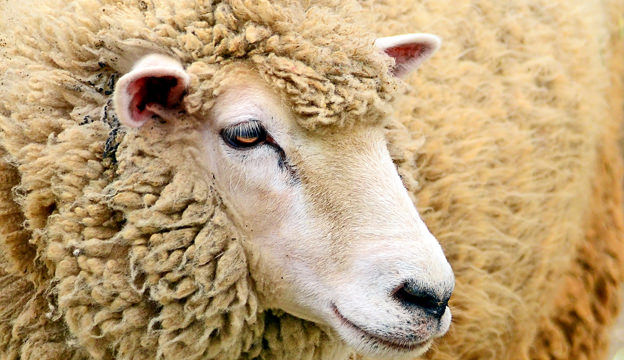
Best For: Small farms and diversified operations
Strengths
Excellent dual-purpose breed
Calm disposition
Adaptable to many climates
Good wool quality
Strong maternal instincts
Ideal Climate
Cool to temperate climates with productive pasture, though adaptable to many environments.
Temperament
One of the calmest and easiest sheep breeds to manage, making it an excellent choice for beginning shepherds.
Production Characteristics
Medium-fine wool
Good meat production
Reliable lambing
Medium to large mature size
Best Farm Types
Homesteads
Diversified farms
Small family farms
Fiber producers
Farmbrite Tip for Sheep Performance
Use flock performance records to balance breeding decisions between fleece quality, lamb growth, and maternal performance.
Corriedale Sheep History
Corriedale sheep are one of the world’s earliest and most successful dual-purpose breeds, developed to combine dependable meat production with a consistently useful wool clip.
The breed was established in the late 1800s through crossing Merino-type sheep (for finer wool and fleece density) with longwool breeds such as Lincoln or Leicester (for size, growth, and carcass traits). The result was a hardy, medium-to-large sheep that could thrive on pasture and produce a dense, medium-fine fleece—making Corriedales especially popular in large grazing systems.
Over time, they spread widely across New Zealand, Australia, South America, and North America, earning a reputation as a practical “all-around” breed for producers who want both wool value and reliable lambs.
Targhee Sheep
Targhee sheep are a hardy American dual-purpose breed valued for their dependable meat production and high-quality wool. Developed for the rugged conditions of the western U.S., they’re known for strong mothering, good growth rates, and an easy-keeping nature that performs well on pasture and range. With a dense, fine-to-medium fleece and adaptable temperament, Targhees are a great fit for producers who want a resilient, all-around breed for a productive flock.

Best For: Western range operations
Strengths
Hardy
Strong wool production
Good growth
Excellent grazing ability
Ideal Climate
Cold, mountainous, and western rangeland environments.
Temperament
Calm and dependable.
Production Characteristics
Medium-fine wool
Good meat characteristics
Strong grazing ability
Excellent longevity
Best Farm Types
Western ranches
Range flocks
Large pasture systems
Farmbrite Tip for Sheep Health
Monitor pasture rotations and body condition throughout the grazing season to maintain optimal flock performance.
Targhee Sheep History
Targhee sheep were developed in the United States to meet the needs of Western range producers who wanted a tough, efficient sheep that could handle harsh conditions while still producing high-quality wool and strong lambs.
The breed was created in the early-to-mid 1900s by the USDA at the U.S. Sheep Experiment Station in Idaho, using a foundation of Rambouillet, Columbia, and Corriedale genetics. This combination was designed to improve fleece quality and consistency while maintaining size, maternal ability, and range hardiness.
Named after the Targhee National Forest region, Targhees became a staple in the Intermountain West, valued for their adaptability, good mothering, and a fine-to-medium wool fleece that performs well in both commercial and small-farm flocks.
Final Thoughts
There are many different breeds of sheep that you can choose for raising for meat, raising sheep for wool, or both. Each breed has its own unique qualities and traits. The best sheep breed isn't the one that's most popular; it's the one that's right for your farm.
By understanding the strengths of each breed and keeping accurate production records, you can build a flock that's healthier, more productive, and better aligned with your goals.
Whether you're raising sheep for meat, wool, breeding stock, or a combination of all three, thoughtful breed selection is one of the best investments you can make in the future of your operation.
It is important to know which breed will work best for your needs before making a decision on what kind of sheep you want on your farm. Use the list above as a starting point and do your own research to find the best breed for you.
If you're looking into sheep farming for beginners or if you're a seasoned sheep farmer, it's always good to keep your eyes open and learn about different options and sheep farming tips.
It's also very important to keep track of your sheep production once you have purchased your herd. Take a look at Farmbrite for your sheep record-keeping software. Try for free today.
Frequently Asked Questions (FAQs)
What is the best sheep breed for meat production?
Suffolk sheep are widely regarded as one of the best meat breeds due to their rapid growth, excellent feed efficiency, and high-quality carcasses. Hampshire sheep are another popular choice for commercial lamb production because of their strong muscling and fast-growing lambs. Producers should also consider local market demand and available forage when selecting a meat breed.
What is the best sheep breed for wool production?
Merino sheep are considered the gold standard for fine wool production. Their fleece is prized for its softness, fineness, and versatility in premium clothing and textiles. Rambouillet sheep are another excellent choice for producers seeking high-quality wool while also maintaining good meat production characteristics.
Which sheep breed is best for both meat and wool?
Several breeds perform well as dual-purpose sheep, but Dorset, Columbia, Corriedale, and Rambouillet are among the most popular. These breeds provide a balance of quality fleece, meat production, hardiness, and reproductive performance, making them well suited for diversified farms.
What is the best sheep breed for beginners?
Dorset sheep are often recommended for first-time shepherds because they are calm, adaptable, productive, and relatively easy to manage. Corriedale sheep are another excellent option due to their gentle temperament, hardiness, and balanced meat and wool production.
Which sheep breed is best for small farms or homesteads?
Small farms often benefit from versatile, easy-to-manage breeds such as Corriedale, Dorset, and Polypay. These breeds perform well in pasture-based systems, have good maternal instincts, and can provide multiple sources of income through meat, wool, or breeding stock.
What sheep breed grows the fastest?
Suffolk and Hampshire sheep are known for producing fast-growing lambs with excellent carcass quality. These breeds are commonly used in commercial meat operations where efficient weight gain is an important profitability factor.
Are wool sheep or hair sheep better?
Neither is universally better—it depends on your goals. Wool breeds provide an additional income stream through fleece production but require regular shearing. Hair sheep, such as Katahdin and Dorper, naturally shed their coats and generally require less maintenance, making them attractive to producers focused solely on meat production.
What factors should I consider before choosing a sheep breed?
Before selecting a breed, consider:
Your primary production goals (meat, wool, or both)
Local climate and weather conditions
Available pasture and feed resources
Labor requirements, including shearing and lambing
Local market demand
Temperament and ease of handling
Long-term breeding objectives
Matching a breed to your farm's resources and goals is often more important than selecting the highest-producing breed on paper.
Which sheep breed is the hardiest?
Rambouillet, Targhee, and Columbia sheep are known for their hardiness and ability to thrive in colder climates and challenging grazing conditions. Their resilience makes them popular choices for western range operations and farms with harsh winters.
Can different sheep breeds be raised together?
Yes. Many producers maintain mixed flocks to take advantage of different breed strengths. However, it's important to consider differences in nutrition, breeding schedules, wool management, and mature size. Good record keeping helps monitor the performance of each breed and make informed breeding decisions.
How can I keep track of my flock's performance?
Accurate records are essential for improving flock productivity and profitability. Recording breeding dates, lambing records, health treatments, wool harvests, weights, pasture rotations, and financial information allows producers to make better management decisions over time.
Farm management software like Farmbrite helps centralize these records, making it easier to monitor individual animals, compare breeding performance, schedule health treatments, and analyze flock profitability from one place.
Is there a single "best" sheep breed?
No. The best sheep breed depends on your farm's goals, climate, available pasture, local market, and management style. A breed that's ideal for a commercial meat producer may not be the best choice for a fiber farm or small homestead. Rather than looking for the "best" breed overall, focus on finding the breed that best fits your operation and long-term objectives.

