Comprehensive Guide to Sheep & Lamb Farming: A Beginner's Manual for Sustainable Livestock Production

Updated: Aug 11
Originally Posted 8/30/2021; Updated: July 8, 2026
Ready to build a profitable and sustainable flock? This comprehensive guide covers everything from decoding industry terminology and aging your animals to selecting the perfect breed for your farm's goals. Whether you plan to leverage rotational grazing, restore your soil, or maximize revenue through specialty markets and direct-to-consumer sales, you will find the actionable strategies you need right here.
Key Takeaways
Raising sheep for meat, wool, or dairy can be both rewarding and profitable, especially when you understand what buyers are looking for and how to market your animals effectively.
High Market Value: Lamb meat remains the most sought-after and high-value product in standard sheep operations, providing a lucrative primary or secondary revenue stream.
Age Dictates Flavor: Lamb is meat from animals under 12 months old, favored for its mild, tender texture. Mutton comes from animals older than one year and carries a much stronger, gamey flavor.
Dental Aging Techniques: A sheep’s age can be reliably verified by examining its lower incisors; lambs have eight milk teeth, while older sheep develop permanent pairs annually.
Premium Fiber Profitability: Maximizing profit from fine-wool breeds (like Merino or Cormo) requires moving past commodity wool pools. Processing raw fleeces into "skirted" value-added products like washed roving, hand-spinning sliver, or custom yarn allows shepherds to tap into the high-margin boutique textile and crafting markets.
Low-Maintenance Alternatives: Hair sheep breeds like Katahdin and St. Croix are ideal for pasture regeneration and soil restoration because they do not require annual shearing.
High-Yield Artisanal Dairy: Specialized dairy breeds like East Friesian and Lacaune produce milk with twice the butterfat and protein content of cow's milk. While it demands rigid sanitation and double-daily milking labor, it yields an incredibly lucrative revenue stream when transformed into premium, artisanal cheeses like Feta, Roquefort, and Pecorino.
Diverse Revenue Channels: Maximizing overall profitability requires utilizing multiple integrated sales avenues. This includes direct-to-consumer "on the hoof" sales, custom online butcher boxes, local culinary partnerships, raw fleece sales, and targeted meat marketing around cultural holidays.

Introduction to Sheep and Lamb Farming
Raising sheep offers an exceptionally versatile opportunity for farmers of all scales. Whether your ultimate goal is harvesting high-value meat, producing artisanal wool, managing premium dairy production, or regenerating degraded pastures, a solid grasp of shepherding fundamentals is critical.
While your daily operations and chore routines will vary wildly based on your chosen breed, the economic engine of most flocks is universal: the annual lamb crop. No matter if you raise wool, dairy, or hair sheep, selling lambs is typically the most valuable, in-demand product a farm generates and serves as the primary driver of profitability for the modern shepherd.
Understanding Sheep Terminology: Lamb, Mutton, and More
For anyone entering the sheep industry, understanding how age affects the final product is crucial. The distinction between lamb and mutton relies entirely on the age of the animal at the time of slaughter. This distinction dictates the meat's flavor, texture, market demand, and overall financial value of the product.
Lamb refers to the meat harvested from a young sheep that is less than 12 months of age. Consumers worldwide favor lamb for its exceptionally sweet, mild flavor and fine-grained, tender texture. Popular culinary cuts such as leg of lamb, lamb loin, and lamb chops contain minimal fat and are staples in high-end restaurant cuisine. In the United States, lamb is the overwhelmingly preferred form of sheep meat consumption.
Mutton is the meat derived from a sheep that is older than one year. Yearling mutton specifically describes meat from animals between one and two years of age. As a sheep grows older, its meat develops a progressively stronger, more intense, and distinctly gamey flavor. The muscle fibers become significantly tougher, and the meat develops a deep, dark red color accompanied by a thicker layer of dense fat.
Most modern American consumers do not favor mutton for standard grilling or roasting. Instead, mutton is primarily utilized in slow-cooked stews, braises, and traditional ground meat dishes. Although it remains highly prevalent and sought after in Middle Eastern, North African, and European culinary traditions.
How to Tell a Sheep's Age
If you've had these animals from birth, you will know their history, but if you don't have these records accessible, you can look at their teeth and roughly know their age.
Age of Sheep Incisor Growth
Under 12 Months (Lamb) 8 Temporary Milk Teeth
12 to 24 Months (Yearling/Hogget) 1 Pair of Permanent Incisors
2 Years Old 2 Pairs of Permanent Incisors
3 Years Old 3 Pairs of Permanent Incisors
4+ Years Old (Full Mouth) 4 Pairs of Permanent Incisors
Sheep do not have top front teeth; instead, they utilize a hard dental pad on their upper jaw to grind forage against their lower incisors.
A lamb under one year old possesses eight small, temporary milk teeth on its lower jaw. As the animal reaches around 12 to 14 months, the middle two milk teeth fall out and are replaced by a pair of much larger, wider permanent incisors.
As the sheep reaches its second year, the next two milk teeth adjacent to the center pair are replaced by permanent teeth. This animal is commonly called a "two-tooth" sheep. This cycle continues annually until the sheep is four years old and possesses a "full mouth" of eight permanent incisors. Monitoring dental health is vital, as worn or missing teeth in older sheep significantly impair their grazing efficiency.

Essential Vocabulary for Shepherds
To communicate effectively within the agricultural community and manage your livestock records accurately, you must learn the industry-standard vocabulary. Misusing these terms can lead to confusion during transactions, veterinary consultations, or livestock logging.
Ewe: A mature female sheep capable of breeding and producing milk. A young female that has not yet reached maturity or reproduced is specifically classified as a ewe lamb.
Ram: An intact mature male sheep utilized primarily for breeding purposes. A young intact male is referred to as a ram lamb. Rams are physically powerful and require a secure handling infrastructure.
Wether: A castrated male sheep. Wethers are notably more docile, gentle, and easier to handle than intact rams. They are frequently raised for wool production or kept as companion animals to calm the flock.
Hogget: A sheep at this yearling stage is often referred to as a "hogget" in traditional sheep-rearing areas like the United Kingdom and New Zealand. It can also be called a Yearling.
Lambskin: The complete hide harvested from a slaughtered lamb with the fine, soft wool fur still fully intact. Lambskin is highly prized for its luxurious softness and is manufactured into premium gloves, clothing, and luxury accessories.
Sheepskin: The hide harvested from a mature sheep aged one year or older. Sheepskin possesses a much rougher, coarser texture than lambskin. It is typically utilized to manufacture durable consumer goods like heavy-duty boots, rugged coats, or specialty book covers.
Choosing the Right Sheep Breed for Your Goals
Selecting the right type of sheep dictates your daily chore routine, infrastructure needs, and seasonal workload. To maximize your farm's efficiency, it is critical to weigh the high-yield potential of specialized products against the physical hours required to manage the animals.
Sheep operations generally fall into three distinct categories: fiber production, meat production, or dairy production. The breed you choose determines your daily chore routine, infrastructure requirements, annual expenses, and the product you will sell. Your first step, before purchasing your first animals, is to define the primary goal of your farm and livestock.
Wool Sheep vs. Hair Sheep
Though they belong to the same species, wool sheep and hair sheep serve two entirely different agricultural purposes.
Traditional wool sheep breeds produce a continuously growing fleece that requires annual shearing. Fine-wool breeds like the Merino or Rambouillet produce highly sought-after, premium fibers used in high-end apparel, while coarser wool breeds are often favored by makers of carpets, rugs, and heavy blankets. It is important to know that while wool can provide a steady seasonal income, the cost of hiring professional shearers sometimes outpaces the market value of raw wool, making fiber operations highly dependent on savvy niche marketing. (Maybe it's time to learn how to shear sheep yourself?)
For farmers focusing exclusively on meat production or land management, hair sheep provide an increasingly popular, low-maintenance alternative. Hair sheep breeds, such as the Katahdin, St. Croix, and Dorper, do not grow a continuous wool coat. Instead, they sport a coat of smooth hair mixed with short wool fibers that naturally shed out on their own every spring.
By selecting hair sheep, you eliminate the labor, expense, and stress associated with annual shearing, tail docking, and crutching. Hair sheep are renowned for their natural resistance to internal parasites and hoof rot, making them the premier choice for low-input pasture setups and beginner operations.
There are many pros and cons of each type of animal, but your choice ultimately comes down to what you want to produce with your sheep.
Sheep Breed Overview
Breed Category | Primary Product | Labor Requirements | Standout Superpower |
Wool Breeds | Fine or Coarse Fleece | High (Requires annual shearing, tagging, & careful wool skirting) | Yields dual-income streams from high-value artisanal fleeces, wool items, or spinning wool |
Hair Breeds | High-Quality Meat | Low (Self-shedding coats mean zero shearing or crutching needed) | Extreme parasite resilience and "set-it-and-forget-it" pasture management |
Dairy Breeds | Milk, Cheese, Yogurt | Very High (Demands rigid, twice-daily milking schedules and sanitation) | Generates the highest consistent weekly cash flow per acre through luxury dairy products |
Wool Sheep and Fiber Production

If your farm goals center around sustainable textiles, artisanal crafting, or high-value annual harvests without processing meat, a wool sheep operation may be your perfect fit. Unlike meat breeds, fine-wool and long-wool sheep have been selectively bred for millennia to produce a continuous fleece that serves as a highly renewable and highly sought-after natural resource.
The financial success of a modern wool operation relies heavily on your choice of genetics and your preparation for the annual shearing season. Fine-wool fleeces are measured in microns (the diameter of a single wool fiber), where a lower number indicates a softer, more expensive wool that is comfortable when worn directly against the skin. Coarser long-wool and dual-purpose fleeces are highly prized by hand-spinners and weavers for their incredible durability, natural luster, and strength in rugs, heavy garments, and blankets.
Wool Sheep Breed Comparison Chart
Breed | Best Application | Core Advantage | Standout Superpower |
Merino | Luxury apparel, high-end textile contracts | Extremely low micron count (ultrafine soft fiber) | Gold standard for global "next-to-skin" comfort |
Rambouillet | Large-scale range operations, dual-purpose | Excellent hardiness and strong herding instinct | High-yield fine fleece on a large, muscular frame |
Border Leicester | Hand-spinning markets, artisanal crafting | Distinctive long, lustrous, wavy locks | Exceptional structural strength and dye absorption |
Cotswold | Heavy textiles, unique curly wool specialty | Heavy fleece yield with a rich, silky luster | Historically rugged; thrives in wet, cold climates |
Shetland | Cottage industry sales, small farms | Incredible natural color palette (11 distinct shades) | Ultra-hardy "browser" that produces fine, lightweight down |
Stepping into a wool sheep operation means going from a basic animal husbandry mindset to acting as a textile producer. While fine-wool management requires strict pasture cleanliness, such as using sheep coats or blankets to prevent burs, straw, and dirt from contaminating the fleece, the financial payoff can be substantial. Because clean, well-skirted raw fleeces sold directly to cottage-industry hand-spinners can fetch up to ten times the price of commercial wool-pool commodity payouts, a dedicated fiber flock can generate an incredibly high profit margin on a small acreage footprint.
Marketing and Selling Wool and Fiber Products
If you choose to raise traditional wool sheep, your annual financial success relies heavily on moving away from low-margin, commercial commodity channels. In the commercial market, wool is often treated as a bulk byproduct, and commodity "wool pools" frequently pay out less per pound than the actual cost of hiring a professional shearer. To build a highly profitable fiber enterprise, small-scale shepherds must treat raw fleeces as a premium, value-added textile asset and market directly to the lucrative cottage industry.
The modern fiber market is driven by a close-knit (see what we did there) community of hand-spinners, weavers, felters, and indie dyers who value quality, cleanliness, and breed-specific characteristics. Capturing these premium retail dollars requires strict pasture management throughout the year and a meticulous sorting process on shearing day.
The Fiber Value Ladder
Processing Stage Average Market Value Target Consumer Base
-------------------------------------------------------------------------
Commercial Pool $0.20 – $1.00 / lb Industrial textile mills
Raw Skirted Fleece $10.00 – $25.00 / lb Hand-spinners, independent crafters
Roving / Sliver $25.00 – $45.00 / lb Fiber artists, boutique shops
Custom Yarn $60.00 – $120.00 / lb Knitters, crocheters, luxury retail
Maximizing Fleece Value: Barn Management to Skirting
A premium wool clip starts long before the shearer arrives. Hand-spinners will not buy wool that is choked with burrs, thistle, hay, or wood shavings, as cleaning out this vegetable matter (VM) is incredibly tedious. To demand top-tier pricing, many fiber farmers invest in lightweight, breathable sheep coats or blankets that are changed regularly as the animal grows. These coats shield the fleece from sun bleaching, dust, and environmental debris, preserving the wool's natural color and cleanliness.
On shearing day, maximizing your profit requires a strict processing step known as skirting:
The Setup: The freshly shorn fleece is thrown skin-side down onto a slatted skirting table.
The Process: You must manually pull away and discard the heavily soiled or coarse edges of the fleece. This includes removing the "breech" (the dirty wool around the hindquarters), dung tags, sweat locks, belly wool, and any areas heavily contaminated with seeds or chaff.
The Goal: What remains should be a pristine, uniform "blanket" of high-quality fiber. A beautifully skirted raw fleece can easily command ten to twenty times the price of unskirted wool.
Diversified Marketing Channels for Fiber Shepherds
The Raw Fleece Market: Selling raw, unwashed fleeces directly to hand-spinners is the fastest route to cash flow on a wool farm. This can be done online through fiber marketplaces, social media groups, or by booths at local and regional Sheep and Wool Festivals. Crafters come for premium fleeces that list the specific sheep's name, its breed, the micron count, and the staple length (the length of the fiber lock).
Boutique Mini-Mills: If you want to unlock much higher profit margins, you can send your raw wool to a specialized boutique mini-mill. These small-scale processors will wash (scour), pick, card, and comb your wool into roving or sliver (long, continuous ropes of untwisted fiber ready for spinning). Selling processed roving bypasses the processing work for the crafter, allowing you to double your per-pound asking price.
Value-Added Yarn Production: The pinnacle of the fiber value ladder is turning your wool into custom, small-batch yarn. Mini-mills can spin your fiber into specific weights (such as sport, worsted, or bulky) and leave it natural or dye it in small, artisanal batches. By selling finished skeins of local, estate-grown yarn directly to knitters and indie yarn shops, a raw fleece that was worth very little commercially can be transformed into hundreds of dollars of retail revenue.
Coarse Wool Alternatives: If you raise dual-purpose or coarser meat breeds, do not discard the wool. While not soft enough for clothing, coarse wool is ideal for heavy-duty applications. You can market coarse wool to local artisans for needle-felting, or sell it to eco-conscious gardeners as a natural, weed-suppressing, and moisture-retaining garden mulch or nesting material for local wildlife.
Understanding Dairy Sheep Breed Selection
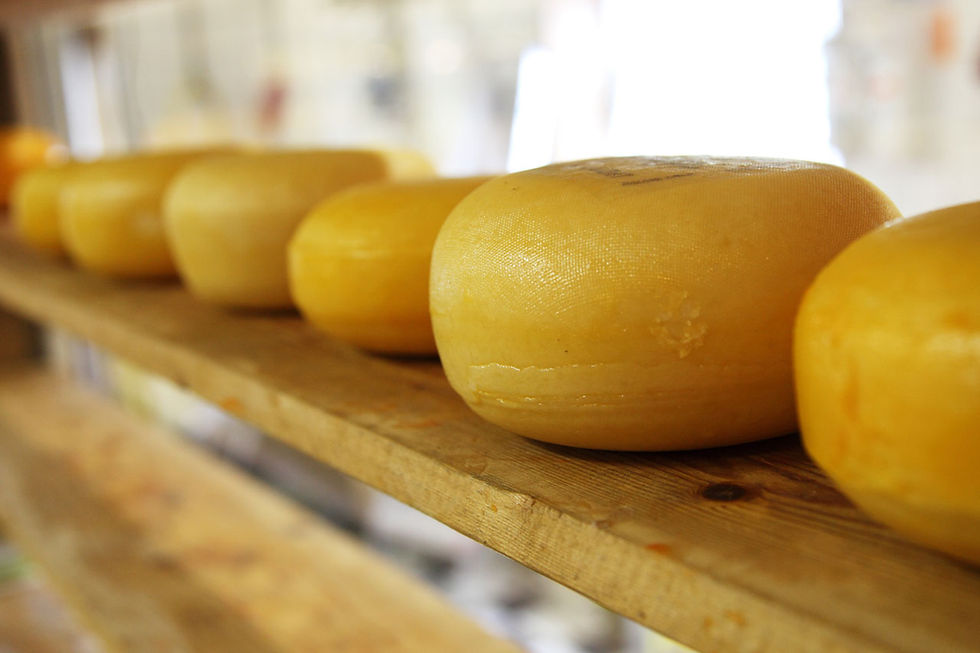
If your goals include producing artisanal cheeses, gourmet yogurts, or fresh milk, you'll want to look into specialized dairy sheep breeds. Breeds such as the East Friesian and Lacaune have been meticulously selected for generations to yield high volumes of milk over an extended lactation period.
Sheep milk contains a significantly higher percentage of milk fat, solids, and protein than cow or goat milk. This rich composition makes it exceptionally well-suited for manufacturing premium cheeses like Roquefort, Pecorino, and Feta. However, you have to be prepared for the intense daily labor, specialized milking parlors, and strict sanitation protocols that dairy operations demand.
Dairy Sheep Breed Comparison Chart
Breed | Best Application | Core Advantage | Standout Superpower |
East Friesian | Commercial Dairies, intensive systems | World’s highest milk volume | Prolific "Holstein of the sheep world" |
Lacaune | Artisanal & Gourmet Cheesemaking | High milk solids for cheese (fat & protein) | Superior udder conformation & letdown |
Awassi | Arid Climates, Hot & Dry Regions | Exceptional climate adaptability | Hardy, heat-tolerant, heavy milking |
Assaf | Dual Meat/Milk Production, Modern Farms | Balanced hybrid vigor | Best of both (Awassi hardiness + Friesian yield) |
Sarda | Rugged Terrain, Intensive Grazing | Resilient in poor pastures | High volume of milk on poor-quality pastures |
Starting a dairy sheep operation means shifting your mindset from casual livestock management to running a precise, food-grade facility. While the daily commitment to milking schedules and facility hygiene is demanding, the financial payoff can be substantial. Because the rich composition of sheep milk yields up to twice as much cheese per gallon as cow's milk, a well-managed dairy flock can generate an incredibly high profit margin on relatively small acreage.
If you have the passion for craftsmanship, the patience for strict routines and sanitation, and a target market hungry for premium artisanal dairy products, the unique rewards of dairy shepherding are well worth the hustle.
Marketing and Selling Dairy Products for Sheep Operations
If you choose to step into the world of dairy sheep farming, your business model shifts from seasonal livestock production to operating a highly specialized, food-grade processing facility. Sheep milk is a premium, concentrated resource that commands significantly higher wholesale and retail prices per gallon than cow or goat milk. Because sheep milk possesses a rich chemical composition, with roughly twice the butterfat and solid protein content of standard cow’s milk, it yields nearly double the amount of cheese per gallon. This allows small-scale dairy shepherds to generate immense profit margins on a remarkably small acreage footprint.
However, capturing these premium margins requires a deep understanding of federal dairy regulations, cold-chain storage logistics, and specific market demands. Dairy sheep operations typically choose between two primary revenue pathways: selling raw bulk milk to commercial processors or processing the milk on-farm into value-added artisanal goods.
The Sheep Dairy Value Scale
Product Category Average Market Value Regulatory & Infrastructure Burden
-----------------------------------------------------------------------------------
Fluid Bulk Milk $1.50 – $3.50 / lb Moderate (Requires commercial bulk tank & hauling) Artisanal Yogurt/Kefir $8.00 – $14.00 / qt High (Food-grade facility, rapid shelf-life) Aged European Cheeses $28.00 – $45.00 / lb Very High (Licensed creamery, aging cave/facility)
Wholesale Bulk Milk Marketing
For shepherds who want to focus entirely on animal husbandry, breeding, and milking without the added complexity of cheesemaking and retail sales, marketing raw wholesale bulk milk is the most streamlined route. In this model, you store your daily milk yield in a stainless steel, rapid-cooling bulk tank. A licensed commercial dairy processor then hauls the milk away in a tanker truck, typically on a weekly or bi-weekly schedule.
Because sheep milk is highly structural and robust, it tolerates freezing exceptionally well without breaking down its delicate fat globules. This unique trait is a massive logistical advantage for small-scale dairies. If you do not produce enough volume to fill a commercial tanker truck weekly, you can safely pump your fresh milk into food-grade plastic bags or pails, freeze it instantly in a commercial walk-in freezer, and palletize it. Specialized artisanal creameries will buy this frozen bulk milk during their peak winter production seasons, providing a reliable, steady baseline revenue stream for your farm.
On-Farm Processing: Crafting High-Margin Artisanal Cheeses
To achieve the absolute pinnacle of financial profitability per ewe, dairy shepherds can transition into vertically integrated producers by building a licensed on-farm creamery. Instead of selling raw milk at wholesale prices, you transform your liquid asset into world-class, premium cheeses. Due to the high solids content of sheep milk, your cheese yield efficiency is incredibly lucrative:
$$\text{Milk-to-Cheese Yield Efficiency Breakdown}$$
Standard Cow's Milk: Yields approximately 10% (1 pound of cheese per 10 pounds of milk).
Specialized Sheep's Milk: Yields up to 18% to 20% (nearly 2 pounds of cheese per 10 pounds of milk).
By focusing your manufacturing efforts on celebrated, high-end European-style cheeses, you can target affluent consumers, gourmet specialty grocery stores, and high-end boutique wine bars. Marketing paths for sheep dairy products are generally split into three premium categories:
Aged Hard Cheeses (Manchego, Pecorino Romano, Roquefort styles): These cheeses require a dedicated, climate-controlled aging room or cave for three to twelve months. While hard cheeses demand delayed cash flow while they mature, they are highly stable, easily shipped via e-commerce, and command top-tier retail pricing reaching up to $45 per pound.
Fresh and Brined Cheeses (Authentic Feta and Ricotta): Fresh cheeses require minimal aging and can be packaged in brine and sold within weeks of milking. This provides a rapid, consistent cash flow during the spring and summer months. Authentic sheep's milk Feta is highly sought after by culinary enthusiasts who reject the common, crumbly cow's milk imitations.
Gourmet Yogurts, Kefirs, and Ice Creams: Because sheep milk is naturally homogenized and contains short-chain fatty acids, it creates an incredibly thick, velvety, and naturally sweet yogurt without needing any artificial thickeners. It is also highly digestible for consumers who suffer from some lactose sensitivities, allowing you to market your products directly to health-conscious and lactose-intolerant demographics at local upscale farmers' markets.
Navigating Dairy Regulations and Compliance
Stepping into the dairy market requires absolute compliance with state and federal agricultural laws. In the United States, all commercial milk production and processing must strictly adhere to the standards outlined in the FDA’s Grade "A" Pasteurized Milk Ordinance (PMO).
Before selling a single drop of milk or cheese, your facility must meet strict state and federal guidelines. Expect routine inspections covering:
Facility Construction: Passing rigorous physical building inspections.
Sanitation (SSOPs): Establishing and following strict daily cleaning procedures.
Pasteurization: Installing certified equipment (unless producing specific 60-day aged raw-milk cheeses).
Quality Control: Routine testing of your water supply, milk cooling speeds, and animal health records.
While the initial capital investment is significant, maintaining a spotless food safety record will establish your farm as a highly profitable player in the premium regional food economy.
Understanding Meat Sheep Breed Selection

When building a sheep meat operation, the core decision revolves around coat type and management style. Hair sheep, such as the Katahdin or Dorper, naturally shed their coats every spring, eliminating the labor and expense of annual shearing.
They also boast natural resistance to internal parasites, making them the gold standard for low-input pasture setups. But as you can see in the chart below, there are many other considerations for choosing sheep breeds for a meat operation.
Meat Sheep Breed Comparison Chart
Breed | Best Application | Core Advantage | Standout Superpower |
Katahdin | Beginners, Pasture Farms | Excellent mothers, high growth | Highly versatile & multi-climate suitability |
Dorper | Fast-Growing Meat Lambs | Muscular, high-quality carcass | Supreme commercial meat yield |
St. Croix | Low-Input, Parasite-Heavy Areas | Exceptional hardiness; smaller frame | Minimal deworming & vet costs |
Royal White | Premium Meat Operations | Lean meat, highly efficient shedding | Dorper growth + St. Croix hardiness |
Barbados Blackbelly | Hot & Tropical Climates | Outstanding heat tolerance | Highly efficient, ultra-hardy foraging |
Suffolk | Terminal Siring / Market Lambs | Rapid frame growth, massive mature size | Unmatched weight gain & carcass length |
Hampshire | Terminal Siring / Lean Muscle | Heavy muscling, efficient feed conversion | Exceptional loin-eye size & blocky frame |
Texel | Extreme carcass yield, boutique butcher supply | Extraordinary muscle-to-bone ratio and lean meat | Naturally, genetic double-muscling for maximum primal cuts |
A meat sheep operation means shifting your mindset from casual livestock keeper to running a precise, market-driven protein business. While commercial meat production requires meticulous tracking of daily fractional weight gains and strict synchronization of your lambing calendar with volatile seasonal market spikes, the financial payoff can be substantial.
Because high-quality, locally raised lamb commands an undisputed premium across upscale culinary networks and diverse cultural communities, a well-managed meat flock can generate a highly lucrative, rapid return on your pasture investment.

Marketing and Selling Lamb Meat and Byproducts
Maximizing the profitability of a sheep operation relies on matching your production cycle with high-value consumer demands. Here are several options for you to consider as you get up and running.
Direct-to-Consumer Markets and Online Butcher Boxes
Establishing a clear, profitable avenue for selling your yearly lamb crop should be top of mind. Lamb meat is the most high-value and consistently in-demand asset a sheep farm produces. So, developing a robust marketing strategy is essential for ensuring your farm's long-term financial viability.
For tech-savvy farmers, online sales present a rapidly growing selling opportunity. Creating customized, pre-packaged "butcher boxes" filled with specialty cuts, ground lamb, and stew meat allows you to tap into high-value urban markets well beyond your immediate rural geographic region. These curated boxes can be marketed through social media and shipped directly to consumers' doorsteps in insulated containers packed with dry ice. This premium e-commerce model gives your farm maximum per-pound pricing, though it requires meticulous attention to inventory management and shipping logistics.
Another one of the most profitable methods for small-scale operations is direct-to-consumer marketing. Many small farmers provide live lambs "on the hoof." In this arrangement, the consumer purchases the live animal based on its live or hanging weight. The farmer then transports the animal to a local custom butcher shop, and the consumer pays the slaughter and processing fees directly to the butcher. This model significantly simplifies the regulatory burden on the farmer, as you are technically selling a live animal rather than processed meat.
Consumer Meat Sales Comparison
Channel | Target Audience | Regulatory Needs | Standout Superpower |
On the Hoof | Local Families, Freezer Buyers | Low (Utilizes custom-exempt local butchers) | Maximizes profit per animal with zero shipping or retail labeling hassles |
Online Boxes | Regional Foodies, Convenience Buyers | High (Requires USDA facility processing + strict shipping logistics) | Opens up premium, nationwide pricing and massive brand scaling potential |
Restaurant Supply | Local Culinary Chefs, Farm-to-Table Eateries | High (Requires USDA inspection + formal commercial invoices) | Secures predictable, recurring volume orders for high-end primal cuts |
Ethnic Markets | Specific Cultural Communities | Variable (Often requires live animal sales or specialized Halal/Kosher processing) | Taps into massive, highly loyal seasonal demand peaks around cultural holidays |
Navigating Sheep Meat Sales Compliance
When selecting your sales channel, the bottleneck is almost always your access to local processing. Selling on the hoof is the easiest entry point for small farms. Because the customer technically buys the live animal (or a fraction of it, like a quarter or half) before it is harvested, the meat can legally be processed by a local custom-exempt butcher, bypassing strict federal inspection rules. Be sure to give your buyer recipes for the meat they don't often prepare, and prepare for the types of meat they will receive in their boxes.
Moving into Online Boxes or Restaurant Supply forces you into the federal arena. In the US, you must secure time slots at a USDA-inspected slaughterhouse, and every single package of meat must be federally stamped, correctly labeled, and kept under strict temperature logs from the facility all the way to the chef's kitchen or the consumer's doorstep.
Targeting Specialty and Ethnic Holiday Markets
A highly lucrative but frequently overlooked marketing channel is selling directly to specific cultural demographics. Global demand for lamb spikes dramatically around major religious observances, including Greek Orthodox Easter, Roman Catholic Easter, Passover, Christmas, and Ramadan.
To successfully tap into these specialty markets, you must understand specific buyer preferences:
Lightweight Lambs: Some demographics prefer lighter, milk-fed unweaned lambs (30 to 40 pounds).
Heavyweight Lambs: Others demand heavier, grass-finished market lambs (80 to 100 pounds).
The Key to Success: Time your lambing season so your animals reach their ideal target weight exactly two to three weeks prior to these shifting holiday dates to capture premium pricing.
Pro-Tip: Inviting buyers to select their animals on-farm and providing clean, designated spaces for traditional harvest rituals can foster strong, long-term community relationships and guarantee a loyal, returning customer base.
Selling to Chefs and Wholesale Demands
Partnering with local chefs and farm-to-table restaurants is an excellent way to secure consistent wholesale revenue. Culinary professionals highly value the freshness, flavor, and compelling story of sustainably raised local lamb.
However, selling directly to commercial food service establishments or retail grocery stores requires strict regulatory compliance:
USDA Processing: To legally sell individual cuts, the animal must be slaughtered and processed in an officially authorized, USDA-inspected facility.
Official Labeling: Every individual package of meat must bear the official USDA inspection stamp.
Advance Booking: Processing slots at USDA facilities are highly competitive. Ensure you have reliable access to one, keeping in mind you may need to book your dates up to a year in advance.
Pro-Tip: When pitching to chefs, be prepared to guarantee consistent volume. Better yet, collaborate with them to design creative menu items that utilize the entire carcass, rather than just high-demand racks and loins.
Final Considerations For Sheep Meat Sales
To maximize your herd or flock's financial return, successful producers rarely rely on a single channel or revenue source. High-value gourmet cuts (like chops, racks, and loins) are best funneled toward local restaurants or premium online boxes where margins are high. The remaining halves, wholes, or ground products can be efficiently cleared out via "On the Hoof" freezer sales or targeted ethnic market holidays, reducing your total storage costs and balancing your cash flow throughout the year.
Live Sales: Feeder Lambs and Auctions
If you lack the time, marketing infrastructure, or desire to manage direct-to-consumer relationships, you can opt for live animal wholesale channels. The simplest method is selling recently weaned young animals at local livestock auctions as "feeder lambs." Feeder lambs are typically purchased in large batches by commercial feedlots, backgrounding operations, or larger grazing outfits that finish the animals on high-energy rations for a brief period before sending them to commercial slaughterhouses.
Selling feeder lambs provides immediate cash flow and eliminates the long-term expenses associated with overwintering or finishing animals on pasture. However, auction prices are highly volatile and dependent on macroeconomic market forces. This means you must accept the going commodity rate on that specific day. The downside of this path is that it generally yields the lowest profit margins per animal, making it more suitable for large-scale producers who operate on high volume rather than niche retail premiums.
Ultimately, launching a sheep and lamb farming operation is an exceptionally rewarding endeavor that perfectly bridges the gap between ecological stewardship and agricultural profitability. By aligning your breed selection with your land and financial goals, you can establish a highly resilient farm.
Success in this industry does not require massive acreage; rather, it hinges on your willingness to optimize your soil, protect your animal health, and strategically position your high-value lamb and fiber products within eager local and digital markets. With patience, careful sheep record-keeping, and solid foundational practices, your new flock will become a rewarding endeavour for years to come.
Frequently Asked Questions (FAQ's)
What is the difference between a lamb and a sheep?
A lamb is biologically a young sheep that is under one year of age. The term "sheep" is a broad umbrella classification for the entire species (Ovis aries), but in commercial contexts, it typically denotes an adult animal that is over 12 months old.
Can I make a profit raising sheep on a small acreage?
Yes, sheep can be highly profitable on small acreage because they have lower land and infrastructure requirements compared to cattle. Maximizing profits on limited space requires practicing intensive rotational grazing and selling meat directly to consumers or niche ethnic markets.
Do all sheep breeds require shearing?
No, not all sheep require shearing. Hair sheep breeds, such as Katahdins and St. Croix, naturally shed their coats every spring, eliminating the need for annual shearing, tail docking, and excessive grooming labor.
How can I determine the age of a sheep if I don't have records?
You can reliably estimate a sheep's age by examining the incisor teeth on its lower jaw. Lambs under a year old have eight small milk teeth; permanent adult teeth erupt in pairs annually between ages one and four.
What do sheep eat, and do they need grain?
Sheep are ruminants whose primary diet should consist of high-quality pasture grasses, legumes, weeds, and brush. While they can be finished on grain to accelerate weight gain, many breeds thrive and fatten entirely on a well-managed pasture and high-quality hay regimen.
Is lamb meat in demand in the United States?
While historical per capita consumption of sheep meat in the US is low (under one-half pound per person annually), demand is growing. Specifically, there is substantial, high-value demand within urban areas, upscale culinary circles, and diverse cultural communities.
What regulations apply to selling lamb meat to restaurants?
To legally sell individual cuts of lamb meat to chefs, restaurants, or grocery stores, the animal must be processed at a USDA-inspected and authorized facility. Each individual package must carry the official federal inspection stamp.
What is a wether, and what is its purpose on a farm?
A wether is a castrated male sheep. Wethers are far more docile and easier to manage than intact rams, making them excellent choices for high-quality wool production, vegetation management, or acting as calm companion animals for the flock.
Why are hair sheep preferred for pasture restoration?
Hair sheep are excellent for pasture restoration because they are hardy, highly resistant to common internal parasites, and do not require shearing. This allows farmers to focus their time and resources entirely on rotational fence management and soil improvement.
How does rotational grazing benefit a sheep flock?
Rotational grazing breaks the lifecycle of internal pasture parasites, prevents the overgrazing of preferred forage species, encourages uniform manure distribution, and allows grass root systems time to rest, regenerate, and build soil health.
Take the Next Step with Farmbrite. Launching a profitable sheep farm doesn't mean you have to be buried in paperwork. By pairing the strategies in this guide with the right farm management tools, you can focus on what matters most: the health of your flock and the quality of your pastures. Explore Farmbrite's specialized features for sheep production to track your breeding, manage your grazing, and scale your business.
Sign up for a free 14-day trial and see how Farmbrite can help your agricultural business thrive. Thanks for stopping by!
Resources:
Penn State Extension — Sheep Farming Management and Production Guides
Ohio State University / SDSU Extension — Direct Marketing Lamb: Selling Direct to Consumer
National Center for Appropriate Technology (NCAT) — Direct Marketing Lamb: A Pathway Study
University of Wyoming Sheep Program — Extension Production & Market Resources
Texas A&M AgriLife Extension — Sheep and Goat Ranching 101 Framework
Penn State Extension Livestock Division — Developing a Strategy for Marketing Your Lambs
Michigan State University Extension — Meat Processing & Direct Market Freezer Pricing Tools


