Keeping Tabs on Your Equipment: A Smarter Way to Manage Farm Assets with Farmbrite

Updated: Feb 20
For most farms, equipment represents one of the largest investments outside of farm land itself. Tractors, implements, irrigation systems, side-by-sides, tools, and specialized machinery are the backbone of daily operations. Yet despite their importance, farm equipment is often managed informally, either in notebooks, the farmer has it “up here” (points to head), or is addressed only when something breaks down.
As farms grow more complex and margins tighten, this reactive approach becomes risky or even downright dangerous. Overlooked maintenance leads to costly downtime, forgotten repairs shorten equipment life, and inaccurate cost tracking makes it difficult to know which machines are truly earning their keep. Managing farm equipment well isn’t about adding more work; it’s about gaining clarity and control over assets you already depend on.
This is where a smarter, centralized approach to equipment management can make a meaningful difference, and Farmbrite, farm tracking app, is an integral part of that approach.
Let's take a quick look at the topics we'll discuss:
The Hidden Cost of Poor Equipment Tracking
When equipment management is spread across spreadsheets, notebooks, and a farm's collective memory, problems tend to surface at the worst possible times. A tractor goes down during planting. A baler fails in the middle of the season. A key implement can’t be located when it’s urgently needed. These moments cost more than repair bills; they disrupt schedules, strain labor, and can directly affect yields or livestock care.
Even on smaller farms, it’s easy to underestimate how much equipment costs over time. Fuel, routine maintenance, replacement parts, and unexpected repairs add up before you know it. Without a clear picture of these expenses, farmers may continue investing in machines that quietly drain resources, or delay replacing equipment that has become more expensive to maintain than it’s worth.
Larger and diversified farms face some additional challenges. Equipment may be shared across crews, fields, or contracted operations. Without consistent records, it’s difficult to know where equipment is, who used it last, or whether required maintenance has been completed. Over time, this lack of visibility leads to inefficiency and unnecessary wear.
Why Centralized Equipment Management Matters
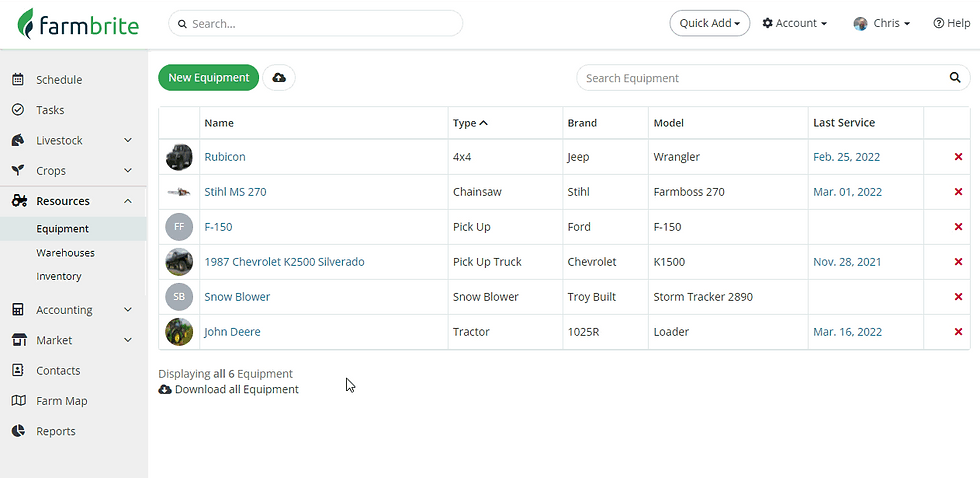
A centralized system for managing farm equipment creates a single source of truth. Instead of hunting for information across multiple tools or relying on memory, farmers can see everything in one place. They can see what equipment they own, where it’s used, how often it runs, and what it costs to maintain.
This kind of visibility supports better decision-making. Farmers can plan maintenance before breakdowns occur, extend the life of their equipment, and reduce surprise expenses. It also helps farms operate more consistently, especially when multiple people are responsible for equipment use and upkeep.
For farms of any size, centralized equipment management isn’t about becoming more “techy.” It’s about reducing guesswork and bringing the same level of care to machinery that farmers already apply to crops, livestock, and land.
Farmbrite keeps track of all the information you need, whether at your desk or with our mobile farming app when you're out in the barn swapping out the starter in the old International Harvester, it's all at your fingertips.
Managing Equipment Proactively Instead of Reactively
One of the biggest shifts farmers experience when using a system like Farmbrite is moving from reactive to proactive equipment management. Instead of responding to failures, farmers can schedule and track routine equipment maintenance based on time, usage, or season.
Oil changes, inspections, filter replacements, and other recurring tasks are easier to plan when maintenance histories are organized and accessible. Over time, these records also reveal patterns: certain machines may require more frequent repairs, while others perform reliably year after year. This insight helps farmers plan budgets, prioritize upgrades, and avoid unnecessary downtime during critical windows.

Proactive equipment management also improves safety. Well-maintained equipment is less likely to fail in ways that put operators at risk. Clear records help ensure inspections and repairs aren’t skipped, even during busy seasons.
Understanding Your True Equipment Costs
Knowing what equipment costs to own and operate is essential, yet many farms only see part of the picture. Purchase price is just the beginning. Repairs, maintenance, fuel, insurance, and storage all contribute to the true cost of ownership.
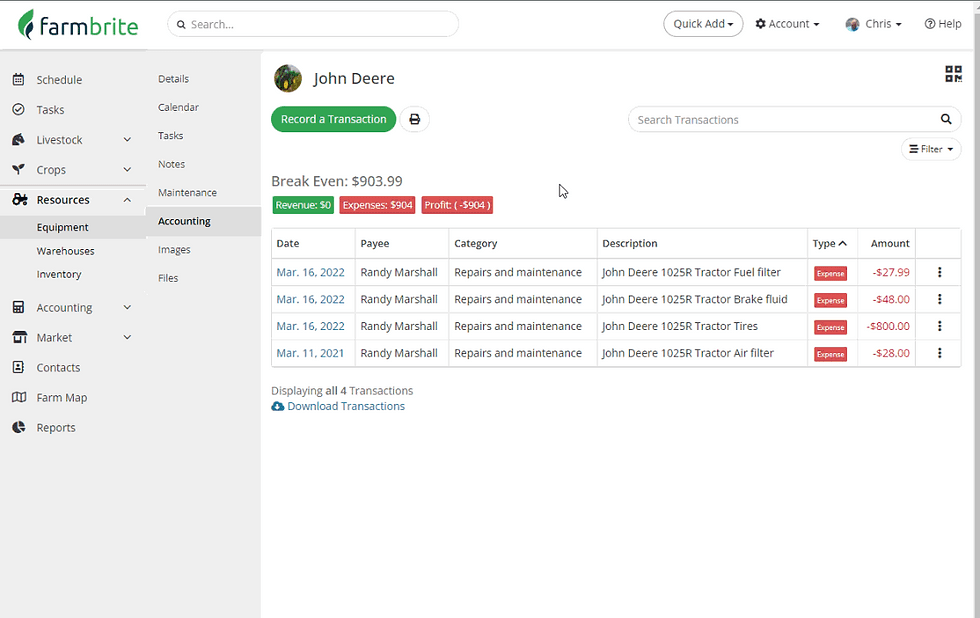
Farmbrite allows farmers to track these costs alongside equipment usage, making it easier to understand which assets deliver value and which may be costing more than they contribute. This information is especially valuable when deciding whether to repair or replace a machine, invest in new equipment, or outsource certain tasks.
For diversified farms, cost tracking can also reveal how equipment supports different enterprises. A tractor used across crops and livestock, for example, can have its costs better understood when records are consistent and centralized.
Supporting Farms of All Sizes and Types
Equipment management challenges aren’t limited to large operations. Small farms often rely on a lean set of machines that must perform reliably across many tasks. A single breakdown can have an outsized impact when there’s no backup equipment available.
Mid-size farms may struggle with coordination as equipment is shared among family members or employees. Without clear records, maintenance responsibilities can fall through the cracks. Larger farms face scale challenges with more equipment, more operators, and more complexity across locations.
Farmbrite is designed to support this full range of farm types. Whether managing a handful of essential machines or a diverse fleet spread across fields and enterprises, having a flexible, easy-to-use system helps farms stay organized without adding unnecessary complexity.
Improving Communication and Accountability
Clear equipment records also improve communication on the farm. When everyone can see maintenance schedules, usage history, and notes about issues, there’s less confusion and fewer assumptions. Operators know what’s expected, and farm managers can quickly understand the status of critical assets.

This transparency is especially helpful during busy seasons or when onboarding new employees. Instead of relying on verbal instructions or scattered notes, equipment information is documented and accessible. Over time, this builds consistency and accountability, helping farms run more smoothly even as teams change.
Planning for the Future
Good equipment management isn’t just about today’s tasks; it’s about preparing for what’s next. Reliable records make it easier to plan capital investments, apply for financing, or support insurance and compliance requirements. When equipment histories are organized, farms are better positioned to demonstrate value, manage risk, and make confident decisions about growth.
As agriculture continues to evolve, farms that maintain clear, accurate operational records gain an advantage. Equipment data becomes part of a broader picture that includes production, labor, and financial performance, all working together to support long-term sustainability.
A Smarter Way Forward
Farm equipment will always require time, money, and attention. But how that effort is managed makes a significant difference. By centralizing equipment records, proactively tracking maintenance, and understanding true ownership costs, farmers can protect their investments and reduce unnecessary stress.
Farmbrite helps farms bring equipment management into the same organized system they use for other aspects of their operation. The result isn’t more work, it’s clearer insight, fewer surprises, and more confidence in the tools that keep the farm running. We invite you to try all that Farmbrite, farm management software, offers at any subscription level, completely free for 14 days. Try Farmbrite's farm equipment management for free today.
Whether you’re managing a few critical machines or a growing fleet, keeping tabs on your equipment is one of the smartest steps you can take toward a more efficient, resilient farm.

Joshua, his wife Jenn, and their dog Rooster live in PA. Joshua is the owner and operator of Hoffman Appalachian Farm, where they grow Certified Naturally Grown hops. Joshua has over twelve years of experience in growing crops, including growing in an organic system. In his spare time, he enjoys trail running, backpacking, and cycling.


